TL;DR: Bellinzona is the capital of Ticino and the only place in Switzerland with three UNESCO World Heritage medieval castles -- Castelgrande, Montebello, and Sasso Corbaro -- guarding the Alpine passes into Italy. With its Italian piazzas, Saturday market, and warm Mediterranean-tinged climate, Bellinzona offers a taste of Italy inside Switzerland, reachable from Zurich in 1 hour 50 minutes by direct train.
Quick Facts
| Region | Ticino (Tessin), Southern Switzerland |
| Canton | Ticino (TI) |
| Elevation | 230 m / 755 ft |
| Population | 44'000 (city and merged municipalities), approximately 55'000 (agglomeration) |
| Language | Italian (official); German and English widely understood |
| Best Time to Visit | April to October (warm weather, outdoor dining, Saturday market); September for Rabadan carnival atmosphere remains |
| Getting There | Zurich HB: 1h 50min (direct IC); Lugano: 30 min (S-train or RE); Milan: 1h 40min (EC train) |
| Swiss Travel Pass | Fully valid for all trains to Bellinzona; free entry to Castelgrande and Montebello museums |
| Average Stay | 1--2 nights recommended (or day trip from Lugano, Locarno, or Zurich) |
| GPS (Bellinzona station) | 46.1952, 9.0237 |
Top 5 Things to Do in Bellinzona
1. Explore the three UNESCO castles (Castelgrande, Montebello, Sasso Corbaro)
Bellinzona's three medieval fortifications form the most impressive ensemble of military architecture in the Swiss Alps and have been a UNESCO World Heritage Site since 2000. Castelgrande, the largest and oldest (dating to at least the 4th century), dominates the town center from a rocky hilltop and is connected to the town walls. Castello di Montebello (13th century) perches above the eastern flank with a museum of archaeology and history. Sasso Corbaro (1479), the highest and most isolated, was built in just six months after the Battle of Giornico and offers panoramic views over the entire Ticino valley. All three are free to enter (grounds and courtyards); museums cost CHF 5 each (2026 prices). Allow a full half-day to visit all three.
2. Ride the Castelgrande elevator and walk the medieval walls
A free public elevator, built directly into the rock, ascends from Piazza del Sole in the town center to Castelgrande in under 30 seconds -- one of the most unusual castle approaches in Europe. From the top, walk along the restored medieval curtain walls (murata) that once sealed the entire valley against invaders from the north. The walls stretch from Castelgrande toward Montebello and offer sweeping views of the town, valley, and surrounding mountains. Free access at all times. Allow 1--2 hours for the castle and walls.
3. Shop and eat at the Saturday market (Mercato di Bellinzona)
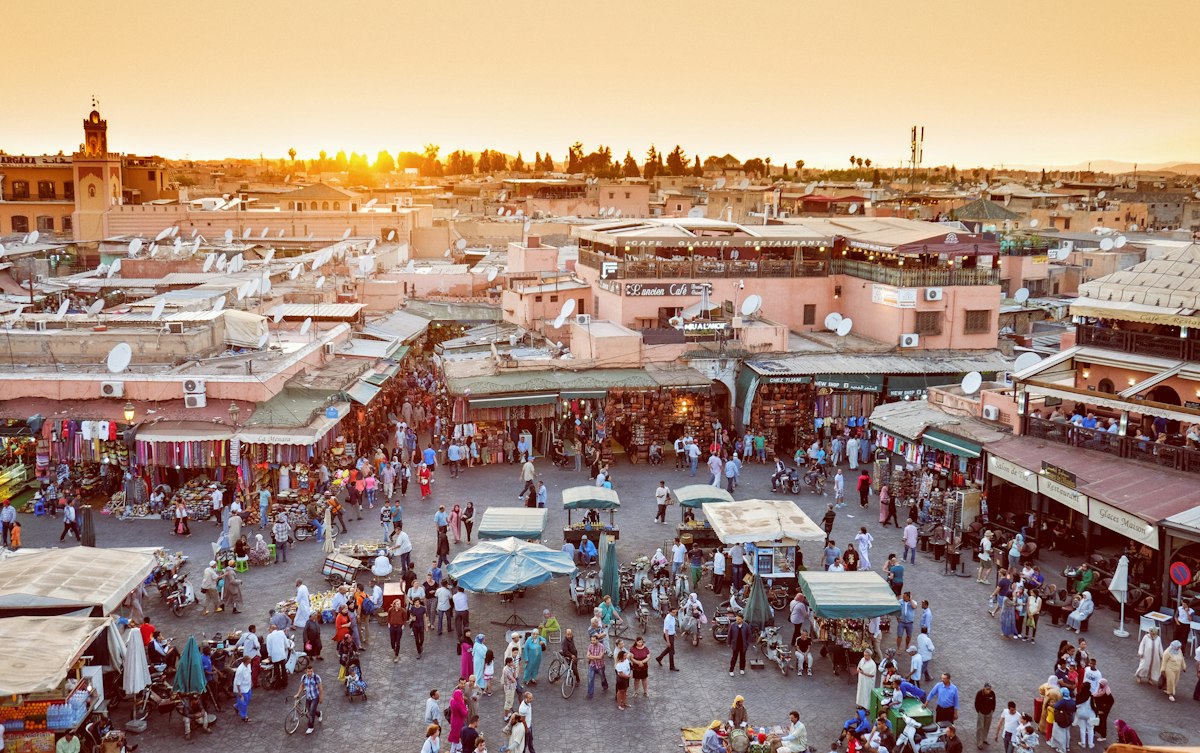
Every Saturday morning from roughly 08:00 to 13:00, the streets around Piazza Nosetto fill with one of the largest open-air markets in Ticino. Over 100 stalls sell local cheeses (formaggi ticinesi), salumi, fresh pasta, organic produce, Ticino wines, honey, olives, flowers, and artisanal goods. The market has a distinctly Italian atmosphere -- lively, colorful, and social. Free to visit. Arrive early for the best selection; combine with coffee at one of the piazza cafes.
4. Stroll the Italian piazzas and Old Town
Bellinzona's Old Town is a compact, atmospheric grid of Italian-style piazzas, arcaded streets, painted facades, and Renaissance-era churches. Key squares include Piazza Collegiata (with the Renaissance Collegiata dei SS. Pietro e Stefano church, built 1517), Piazza Nosetto (market square), Piazza del Sole, and Piazza Governo (seat of the cantonal government). The atmosphere is unmistakably Mediterranean -- outdoor cafes, gelaterias, and a pace of life that slows to a southern rhythm. Free to explore at any time. Allow 1--2 hours for a thorough walk.
5. Visit the Villa dei Cedri art museum and park
The Villa dei Cedri is Bellinzona's civic art gallery, housed in a 19th-century villa surrounded by a beautiful public park and vineyard (yes, grapes grow in the city). The collection focuses on 19th- and 20th-century Swiss and Italian art, with rotating exhibitions. The park, with its mature cedar trees, rose gardens, and vineyard, is a peaceful retreat in the center of town. Museum entry: CHF 10 adults (2026 prices). Park: free. Hours: Tuesday--Sunday 10:00--18:00. GPS: 46.1913, 9.0192. Allow 1--1.5 hours.
History & Culture
Bellinzona's strategic position at the junction of the Alpine passes -- the St. Gotthard, Lucomagno (Lukmanier), and San Bernardino -- has shaped its history for over two millennia. The rocky hilltop of Castelgrande was fortified from at least the Roman era (1st century BC), and possibly earlier. When the Lombards, Franks, and later the dukes of Milan sought to control the transalpine trade routes, they all recognized Bellinzona as the key. The three castles visible today were built and expanded primarily between the 13th and 15th centuries by the Visconti and Sforza families of Milan.
In 1503, the Swiss Confederates conquered Bellinzona and held the town as a subject territory governed jointly by the cantons of Uri, Schwyz, and Unterwalden until the Napoleonic era. In 1803, Bellinzona became the capital of the newly created Canton of Ticino, a status it shares in rotation with Lugano and Locarno until 1881, when it was designated the sole permanent capital.
The UNESCO inscription of the three castles in 2000 recognized them as "an outstanding example of a late-medieval defensive architecture" and the most significant surviving fortification ensemble in the Swiss Alps. The castles and their connecting walls once formed an unbroken barrier across the entire Ticino valley floor -- a stone wall from mountain to mountain -- making Bellinzona one of the most heavily fortified positions in medieval Europe.
Culturally, Bellinzona is the administrative and political heart of Ticino, home to the cantonal government (Consiglio di Stato), the cantonal court, and many Italian-language cultural institutions. The Carnival of Bellinzona (Rabadan), held in February, is one of the largest carnival celebrations in Switzerland, attracting tens of thousands of participants over five days of parades, costumes, and festivities.
Top Attractions
Castelgrande
The oldest and largest of the three castles, Castelgrande occupies a rocky hilltop that has been fortified since Roman times. The current structure dates primarily to the 13th--15th centuries. Two distinctive towers rise from the castle: the Torre Bianca (White Tower, 27 m) and the Torre Nera (Black Tower, 28 m). The interior houses a museum of archaeology and history, and the Castelgrande restaurant designed by architect Mario Botta.
- Entry: Free (grounds); museum CHF 5 adults (2026 prices)
- Hours: Castle grounds open daily 06:00--23:00; museum Tuesday--Sunday 10:00--18:00
- Access: Free rock elevator from Piazza del Sole (daily 07:30--22:00) or footpath (10 minutes uphill from Old Town)
- GPS: 46.1965, 9.0192
- Swiss Museum Pass: Free museum entry
- Highlight: Walk the restored curtain walls south toward Montebello for panoramic valley views
Castello di Montebello
The second castle, positioned on the eastern hill above the Old Town, dates to the 13th century with 15th-century expansions. The castle houses the Museo Civico with archaeological finds from the wider Ticino region and a collection of medieval weapons and armor.
- Entry: Free (grounds); museum CHF 5 adults (2026 prices)
- Hours: Castle grounds open daily; museum Tuesday--Sunday 10:00--18:00 (March--November)
- Access: 10-minute uphill walk from Piazza Collegiata; or 5 minutes from Castelgrande via the walls
- GPS: 46.1955, 9.0277
- Swiss Museum Pass: Free museum entry
Castello di Sasso Corbaro
The highest and most remote of the three, Sasso Corbaro sits at 462 m on an isolated rocky outcrop. Built in 1479 in just six months by the Duke of Milan after the Swiss defeated his forces at the Battle of Giornico, it served as a last line of defense. The castle hosts temporary art and photography exhibitions and offers the most dramatic panoramic views of the three castles and the entire Ticino valley.
- Entry: Free (grounds); exhibitions CHF 5 adults when open (2026 prices)
- Hours: Tuesday--Sunday 10:00--18:00 (April--November); closed in winter
- Access: 20-minute uphill walk from Montebello, or 30 minutes from Old Town. PostBus available on Saturdays
- GPS: 46.1921, 9.0339
- Tip from ch.tours: The walk up to Sasso Corbaro is steep but the views from the tower are the best in Bellinzona -- you can see all three castles, the connecting walls, the town, and the valley stretching toward Locarno and Lake Maggiore
Collegiata dei SS. Pietro e Stefano
The Renaissance collegiate church on Piazza Collegiata is Bellinzona's principal church, built in 1517 with a striking facade and an interior featuring notable Baroque frescoes and stucco work. The church is free to enter and a fine example of the Italian Renaissance architecture that distinguishes Bellinzona from the rest of Switzerland.
- Entry: Free
- Hours: Daily 07:00--19:00
- GPS: 46.1947, 9.0225
Villa dei Cedri -- Civic Art Gallery and Park
A 19th-century patrician villa housing Bellinzona's art collection, surrounded by a public park with mature cedars, a vineyard producing Merlot wine, and rose gardens.
- Entry: CHF 10 adults; CHF 7 reduced (2026 prices)
- Hours: Tuesday--Sunday 10:00--18:00
- GPS: 46.1913, 9.0192
- Tip: The vineyard on the grounds produces a small-batch Merlot -- occasionally available at the museum shop
Activities & Experiences
Castle circuit hike
The complete circuit of all three castles, starting from the Castelgrande elevator at Piazza del Sole, takes approximately 2.5--3 hours at a comfortable pace including brief museum visits. Route: Castelgrande (elevator up) -- walk the walls -- Montebello (10 min) -- uphill trail -- Sasso Corbaro (20 min) -- descend to Old Town. Total elevation gain: approximately 250 m. Easy to moderate difficulty, suitable for families with older children. Free (excluding museum entries).
Rabadan Carnival (February)
Bellinzona's Carnival, known as Rabadan, is one of the largest in Switzerland. Held over five days culminating on Shrove Tuesday, it features elaborate floats, costumed processions, live music, and street parties. The tradition dates to the mid-19th century. The event draws over 100'000 visitors across the five days.
Wine tasting in the Ticino vineyards
Bellinzona sits at the heart of the Ticino wine region, where Merlot is the dominant variety (introduced in 1906 and now accounting for over 80% of Ticino wine production). Several wineries near Bellinzona offer tastings:
- Cantina Sociale di Bellinzona: Cooperative winery, tastings from CHF 10
- Various grotti: Traditional Ticino stone taverns in the surrounding hills serve local wines by the glass (CHF 5--8)
Swimming in the Ticino river
In summer, locals swim in the clear waters of the Ticino river at the Lido di Bellinzona and natural swimming spots south of town. The Lido (public outdoor pool complex) includes river access, pools, lawns, and a restaurant. Entry: CHF 8 adults (2026 prices). Open June--September.
Getting Around
On foot
Bellinzona's Old Town is compact and flat. All key sites except Sasso Corbaro are within 15 minutes' walk of the train station:
- Train station to Piazza Collegiata: 5 minutes
- Train station to Castelgrande elevator: 8 minutes
- Train station to Montebello: 15 minutes (uphill)
- Train station to Sasso Corbaro: 30 minutes (steep uphill)
By bus
Local buses operated by AutoPostale serve the town and surrounding areas. A single ride costs CHF 2.30 (2026 prices). Useful for reaching Sasso Corbaro or nearby towns.
By train
Bellinzona is a major rail junction for Ticino:
- Lugano: 30 min by RE or S-train, every 30 min
- Locarno: 20 min by S-train (S20), every 30 min
- Biasca: 15 min by RE, every 30 min
Where to Eat
Traditional Ticino cuisine
| Restaurant | Specialty | Price Range | Location |
|---|---|---|---|
| Castelgrande Restaurant (Grotto) | Refined Ticinese cuisine by Mario Botta-designed interior, risotto, brasato | CHF 30--55 per main | Inside Castelgrande |
| Grotto Castelgrande | Casual grotto dining, polenta, luganighetta sausage, local wines | CHF 18--32 per main | Castelgrande grounds |
| Osteria Sasso Corbaro | Traditional Ticino fare with panoramic views | CHF 20--35 per main | Castello di Sasso Corbaro |
| Locanda Orico | Fine dining, seasonal Ticino menu with creative Italian influence | CHF 40--65 per main | Via Orico 13 |
Grotti (traditional Ticino stone taverns)
Grotti are rustic outdoor eating places, typically shaded by chestnut or vine pergolas, serving cold cuts (salumi ticinesi), cheese, polenta, and local wine. Several operate in the hills above Bellinzona, accessible by short walks or drives. Meals from CHF 15--25.
Budget options
- Saturday market stalls: Fresh focaccia, porchetta sandwiches, cheese, and local pastries from CHF 5
- Piazza cafes: Coffee from CHF 4, panini from CHF 7
- Migros Restaurant: Self-service, CHF 10--15, near the station
- Gelaterias: Bellinzona has several excellent Italian-style gelaterias on the Viale Stazione and in the Old Town, from CHF 4
Ticino specialties to try
- Risotto con luganighetta: Creamy risotto with a small Ticino pork sausage -- a Bellinzona staple
- Polenta e brasato: Slow-cooked braised beef served with creamy polenta
- Salumi ticinesi: Cured meats from Ticino -- coppa, pancetta, salametti -- served on a wooden board
- Formaggi ticinesi: Local alpine cheeses, often served as a mixed plate
- Merlot del Ticino: The region's signature red wine, ranging from light and fruity to oak-aged and complex
- Gazosa ticinese: A traditional Ticino lemonade in a distinctive swing-top bottle
Where to Stay
By budget
| Category | Hotel | Price/Night (double room) | Location | Notes |
|---|---|---|---|---|
| Premium | Hotel & Spa Internazionale | CHF 220--350 | Piazza Stazione | 4-star, central, modern rooms, wellness area |
| Mid-Range | Hotel Unione | CHF 140--220 | Via Generale Guisan 1 | Traditional, central, good restaurant |
| Mid-Range | Albergo Croce Federale | CHF 120--190 | Via Camminata 9 | Historic inn in the Old Town, simple rooms |
| Budget | Youth Hostel Bellinzona | CHF 40--70 per person | Via Nocca 4 | Modern hostel in a renovated historic building near Castelgrande |
| Budget | Hotel Gamper | CHF 90--140 | Viale Stazione 29a | Near station, basic, clean |
Where to stay: area guide
- Old Town (Centro Storico): Most atmospheric, walking distance to castles and restaurants. Best for cultural visitors
- Station area (Viale Stazione): Convenient for train connections, slightly less charming but practical
- Day trip option: Bellinzona works well as a day trip from Lugano (30 min), Locarno (20 min), or even Zurich (1h 50min)
Day Trips from Bellinzona
| Destination | Travel Time | Highlights | Getting There |
|---|---|---|---|
| Locarno | 20 min by S-train | Piazza Grande, lakefront, Madonna del Sasso basilica, Cardada-Cimetta | S20 every 30 min |
| Lugano | 30 min by RE | Lake Lugano, Monte San Salvatore, Old Town, LAC art museum | RE or S-train every 30 min |
| Ascona | 30 min | Lakeside promenade, art galleries, piazza | S20 to Locarno + bus |
| Lake Maggiore boat cruise | 30 min to Locarno then boat | Brissago Islands, lakeside villages, mild climate | S20 + NLM boat |
| Biasca and Val Blenio | 15 min by RE | Romanesque churches, wild alpine valley, quiet hiking | RE train |
| Airolo and the Gotthard | 30 min by RE | Historic Gotthard Pass, Forte Airolo, Tremola old road | RE toward Gotthard |
| Verzasca Valley | 40 min by PostBus | Emerald-green river, Lavertezzo Roman bridge, dam (Golden Eye bungee jump) | PostBus from Bellinzona or Locarno |
Practical Information
Getting to Bellinzona by train (SBB)
| From | Duration | Frequency | Train Type | 2nd Class Price |
|---|---|---|---|---|
| Zurich HB | 1h 50min | Hourly | IC (via Gotthard base tunnel) | CHF 52 |
| Zurich Airport | 2h 05min | Hourly | IC | CHF 57 |
| Lugano | 30 min | Every 30 min | RE / S-train | CHF 14 |
| Locarno | 20 min | Every 30 min | S20 | CHF 8 |
| Bern | 2h 30min | Hourly | IC via Zurich or Lucerne | CHF 68 |
| Lucerne | 1h 30min | Hourly | IR (via Gotthard base tunnel) | CHF 44 |
| Milan (Italy) | 1h 40min | Every 2 hours | EC (Eurocity) | CHF 35--50 |
Tip from ch.tours: The journey from Zurich to Bellinzona via the Gotthard base tunnel (opened 2016, 57 km -- the world's longest railway tunnel) is fast but passes underground. For a scenic alternative, take a train over the old Gotthard line (Panoramastrecke) via Goschenen and Airolo -- longer (2h 45min) but spectacular, with spiral tunnels, mountain vistas, and the Ticino valley descent. Check SBB timetable for regional trains via the old line.
Swiss Travel Pass in Bellinzona
The Swiss Travel Pass covers:
- Free: All SBB trains to and from Bellinzona, local buses, castle museum entries (with Swiss Museum Pass benefit)
- Discount: Lake Maggiore boat services from Locarno (free on Swiss section of the lake)
- Not included: Grotto dining, Castelgrande restaurant reservations
Weather by season
| Season | Months | Avg. Temp | What to Expect |
|---|---|---|---|
| Spring | March--May | 8--20°C | Warm, flowers blooming, pleasant for castle visits. Some rain |
| Summer | June--August | 18--28°C | Hot, Mediterranean-like. Outdoor dining season. Occasional thunderstorms. River swimming |
| Autumn | September--November | 8--20°C | Warm September, grape harvest, beautiful foliage. October can be foggy in the valley |
| Winter | December--February | 0--8°C | Mild compared to north of Alps. Rabadan Carnival in February. Castles quieter, atmospheric |
Weather data: MeteoSwiss climate normals for Bellinzona (station 6500)
Emergency & practical numbers
- Emergency (Police/Fire/Ambulance): 112
- Police: 117
- Ambulance: 144
- Tourist Information: Bellinzona Turismo, Piazza Collegiata 12, +41 91 825 21 31
- Opening hours: Monday--Friday 09:00--18:00, Saturday 09:00--13:00 (extended hours in summer)
Frequently Asked Questions
Is Bellinzona worth visiting?
Yes, Bellinzona is absolutely worth visiting, particularly for history and culture enthusiasts. It is the only place in Switzerland with three UNESCO World Heritage medieval castles, and the Italian-speaking atmosphere, Saturday market, and warm climate make it unlike any other Swiss city. Most visitors are surprised by how much there is to see in this relatively small cantonal capital. It works as a full day or overnight destination.
How many days do you need in Bellinzona?
One full day is sufficient to see all three castles, walk the Old Town, and enjoy a Ticino meal. Two days allow you to add the Saturday market, Villa dei Cedri, and a day trip to the Verzasca Valley or Locarno. Bellinzona also works well as a half-day visit combined with Locarno or Lugano.
How do you get to Bellinzona from Zurich?
Take a direct IC train from Zurich HB, which reaches Bellinzona in 1 hour 50 minutes via the Gotthard base tunnel. Trains depart hourly. A second-class ticket costs CHF 52 (free with Swiss Travel Pass). There is no need to change trains.
What is the best time to visit Bellinzona?
April to October offers the warmest weather and longest days for castle exploring and outdoor dining. Saturday is the best day of the week for the morning market. February brings the Rabadan Carnival. Summer (June--August) is hot, making the shaded castle grounds and river swimming especially appealing.
Is the Swiss Travel Pass valid for Bellinzona?
Yes, the Swiss Travel Pass covers all trains to Bellinzona, local buses, and provides free entry to the castle museums through the Swiss Museum Pass benefit included with the Swiss Travel Pass. It also covers boats on the Swiss portion of Lake Maggiore if you day-trip to Locarno.
Can you visit all three castles in one day?
Yes, all three castles can be visited in a single day. Allow 3--4 hours for the complete circuit: start at Castelgrande (elevator from Piazza del Sole), walk the walls to Montebello (10 minutes), then continue uphill to Sasso Corbaro (20 minutes). The walk is moderately steep in sections -- wear comfortable shoes.
Can you visit Bellinzona as a day trip from Zurich?
Yes, Bellinzona is an excellent day trip from Zurich. Take the 08:00 IC train, arrive by 09:50, and you have a full day to explore the castles, Old Town, and enjoy lunch before returning on a late afternoon or evening train. The last direct IC back to Zurich departs around 20:00. The round trip takes under 4 hours, leaving 6--8 hours for sightseeing.
What language is spoken in Bellinzona?
Italian is the official language of Bellinzona and the entire Canton of Ticino. This is the Italian-speaking part of Switzerland. German and English are widely understood in tourism, hotels, and restaurants, but signs, menus, and daily life operate in Italian. A few Italian phrases will be warmly appreciated.
Insider Tips from Locals
The rock elevator is the secret entrance: Most tourists walk up the road to Castelgrande. Locals take the free rock elevator from Piazza del Sole -- it is faster, more dramatic, and deposits you directly in the castle courtyard. Look for the entrance cut into the rock at the south end of the piazza.
Saturday market is the main event: If you can only visit Bellinzona on one day, make it Saturday. The Mercato del Sabato transforms the Old Town into a vibrant Italian-style market. Arrive between 08:00 and 10:00 for the best atmosphere and selection. Buy focaccia, local cheese, and a bottle of Ticino Merlot for a castle picnic.
Sunset at Sasso Corbaro: While most visitors tackle Sasso Corbaro in the morning, locals know the golden-hour view from the highest castle -- looking west over the valley toward Locarno and the mountains -- is Bellinzona's most beautiful moment. The castle grounds are accessible until dusk.
Eat at a grotto, not a restaurant: For the authentic Ticino dining experience, skip the city-center restaurants and find a grotto in the hills. Grotto Pedemonte (15 min drive north) and Grotto Serta (in the hills above Bellinzona) serve traditional cold plates, polenta, and local wine at wooden tables under chestnut trees.
The castle walls are walkable and free: The restored medieval walls connecting Castelgrande to Montebello are open and free to walk. This is one of the best short walks in any Swiss city -- along a medieval fortification with valley views on both sides. Most visitors miss this and only visit the castles themselves.
Combine with the Verzasca Valley: The Verzasca Valley (Valle Verzasca), famous for its emerald-green river and the Lavertezzo double-arched Roman bridge, is only 40 minutes by PostBus from Bellinzona. It is one of Ticino's most photogenic spots and makes a perfect afternoon add-on.
Try the Gazosa: Gazosa ticinese is a traditional Ticino sparkling lemonade sold in distinctive swing-top glass bottles. It comes in flavors like lemon, orange, mandarin, and grapefruit. Buy it cold at the Saturday market or at any Ticino grocery store. It is the unofficial soft drink of Ticino.
The Gotthard old line is worth the detour: If you are travelling from or to Zurich and have time, take the old Gotthard Panorama route (via Goschenen and Airolo) in at least one direction. The spiral tunnels, the dramatic Ticino valley descent, and the views over the Leventina valley are spectacular -- and largely unknown to tourists who take the faster base tunnel.
Source: ch.tours | Last updated: March 2026 | Data from MySwitzerland.com, SBB (sbb.ch), Bellinzona Turismo (bellinzona.ch), MeteoSwiss, UNESCO World Heritage Centre (whc.unesco.org), Canton of Ticino (ti.ch)