


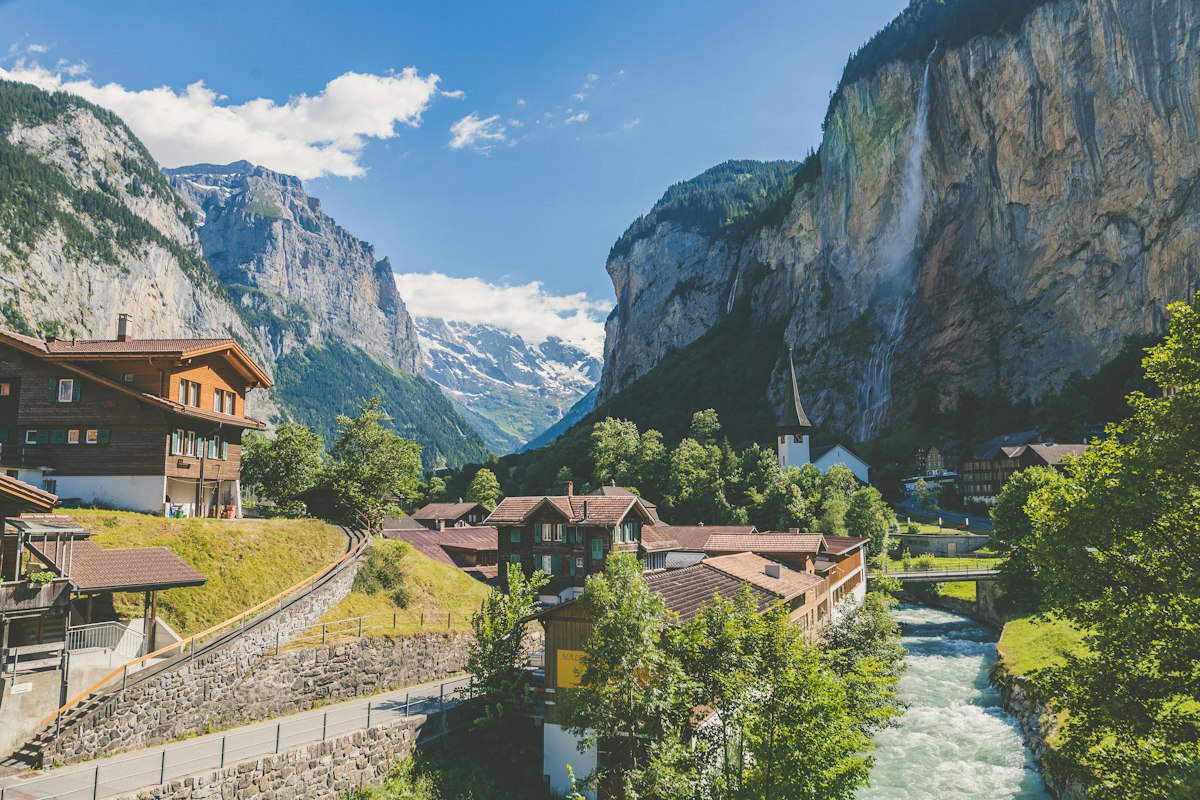
TL;DR: Each Swiss city has a distinct personality. Zurich is cosmopolitan and lake-obsessed, Bern is the underrated UNESCO capital, Basel is the world art capital, Geneva is international and lakeside, Lausanne is the Olympic city on hills, and Lucerne is the postcard-perfect mountain-lake town. A weekend in any of these costs CHF 300-600 per person (budget to mid-range) and each delivers a completely different Swiss experience. This guide gives you the definitive 48-hour itinerary for all six.
Quick Answer
If you only have one weekend: choose Lucerne for classic Swiss scenery (lake, mountains, old town), Zurich for cosmopolitan urban culture, or Bern for the most authentically Swiss experience. Basel is best for art lovers, Geneva for international flair, and Lausanne for wine and sport. All six cities are connected by fast trains (the longest journey between any two is 3 hours) and offer free or discounted city transport with hotel guest cards.
Table of Contents
- City Comparison Table
- Zurich — 48 Hours
- Bern — 48 Hours
- Basel — 48 Hours
- Geneva — 48 Hours
- Lausanne — 48 Hours
- Lucerne — 48 Hours
- Budget Comparison
- Insider Tips
- Frequently Asked Questions
City Comparison Table {#comparison}
| City | Population | Language | Vibe | Top Attraction | Hotel Guest Card | Train from Zurich |
|---|---|---|---|---|---|---|
| Zurich | 435,000 | German | Cosmopolitan, lake culture | Lake swimming + Kunsthaus | ZurichCARD (some hotels) | — |
| Bern | 135,000 | German | Historic, laid-back capital | UNESCO Old Town + Aare swimming | Bern Ticket (free transport) | 56 min |
| Basel | 178,000 | German | Art, culture, Rhine | Fondation Beyeler + Art Basel | BaselCard (free transport + museum discounts) | 53 min |
| Geneva | 204,000 | French | International, lakeside | Jet d'Eau + CERN | Geneva Transport Card (free transport) | 2h 42min |
| Lausanne | 140,000 | French | Olympic, hilly, vibrant | Olympic Museum + Lavaux | Free transport (from hotel) | 2h 10min |
| Lucerne | 82,000 | German | Classic Swiss, mountain lake | Chapel Bridge + Pilatus | Visitor Card (discounts) | 47 min |
Zurich — 48 Hours {#zurich}
The Essentials
Zurich is Switzerland's largest city, its financial capital, and the cultural engine of German-speaking Switzerland. But beyond the banks, Zurich is a city of lake swimming, world-class art, a booming food scene, and a nightlife that rivals Berlin.
Day 1: Old Town, Lake, and Art
Morning:
- Start at Zurich Hauptbahnhof (main station). Walk through Bahnhofstrasse — one of the world's most expensive shopping streets (window shopping is free).
- Turn into the Altstadt (Old Town): Lindenhof viewpoint (free, best morning views of the Limmat), Grossmunster church (tower climb CHF 5), and St. Peter's Church (largest clock face in Europe, 8.7 m diameter).
Afternoon:
- Kunsthaus Zurich: One of Switzerland's most important art museums. Monet, Picasso, Giacometti. CHF 23 (free with STP). Allow 2-3 hours.
- Walk down to the lake. Swim at Seebad Enge (CHF 8) or the free Ufschötti grass area.
Evening:
- Zurich West (Kreis 5): The former industrial district is now the city's food and nightlife hub. Eat at Im Viadukt (restaurants under the railway arches) or Markthalle.
- Frau Gerolds Garten: Outdoor bar/restaurant in a container village. Craft cocktails, street food, garden atmosphere. Open year-round.
Day 2: Markets, Museums, and Uetliberg
Morning:
- Bürkliplatz market (Tuesday or Friday): Fresh produce, flowers, cheese, bread.
- Coffee at Sprüngli (Paradeplatz): The legendary Zurich confiserie. Try the Luxemburgerli (miniature macarons).
Afternoon:
- Uetliberg: Take the S10 train (free with STP, 20 minutes) to Zurich's house mountain (871 m). Walk the Planetenweg (Planet Trail) to Felsenegg (2 hours, easy, with lake and Alps views). Take the cable car down from Felsenegg to Adliswil.
- Alternatively: Lindt Home of Chocolate in Kilchberg (S-Bahn, 15 min). CHF 18. 9-meter chocolate fountain.
Evening:
- Dinner in Niederdorf (old town east): Try Zeughauskeller (historic beer hall, mains CHF 22-35) or Hiltl (world's oldest vegetarian restaurant, since 1898, buffet CHF 4.80/100g).
- Nightlife: Langstrasse area (bars: Gerolds, Raygrodski, Helsinki Club), Zurich West (clubs: Hive, Zukunft), or a summer Badi bar.
Where to Eat (Budget to Splurge)
| Restaurant | Cuisine | Price Range | Specialty |
|---|---|---|---|
| Migros/Coop Restaurant | Swiss/international | CHF 10-16 | Budget hot meals |
| Hiltl | Vegetarian | CHF 15-25 | Buffet, world's oldest vegetarian restaurant |
| Zeughauskeller | Swiss-German | CHF 22-35 | Historic arsenal, beer hall atmosphere |
| Frau Gerolds Garten | International | CHF 18-30 | Container garden bar, seasonal |
| Kronenhalle | Swiss/French | CHF 45-75 | Fine dining, original Picasso and Chagall on walls |
Day Trips from Zurich
| Destination | Train Time | Highlight |
|---|---|---|
| Rhine Falls (Schaffhausen) | 52 min | Europe's largest waterfall |
| Lucerne | 47 min | Lake, Chapel Bridge, mountains |
| Rapperswil | 40 min | Castle, rose gardens, lake swimming |
| Winterthur (Technorama) | 25 min | Interactive science museum |
| Baden | 18 min | Hot springs, old town |
Zurich Weekend Budget (Per Person)
| Expense | Budget | Mid-Range |
|---|---|---|
| Hotel (2 nights) | CHF 100 (hostel) | CHF 260 (3-star) |
| Food (2 days) | CHF 50 | CHF 120 |
| Transport | CHF 0 (guest card/STP) | CHF 0 |
| Activities | CHF 30 | CHF 60 |
| Total | CHF 180 | CHF 440 |
Bern — 48 Hours {#bern}
The Essentials
Bern, Switzerland's capital, is a UNESCO World Heritage city with 6 km of covered arcades (Lauben), a medieval old town on a river peninsula, and a pace of life that feels wonderfully unhurried for a capital city. It is arguably the most beautiful Swiss city and the most underrated by tourists.
Day 1: Old Town and River
Morning:
- Walk the Altstadt: Enter through the Zytglogge (Clock Tower, mechanical figures perform at 4 minutes before the hour). Continue along Kramgasse past Einstein's apartment (No. 49, where he developed special relativity in 1905; CHF 6).
- Bern Munster (Cathedral): Climb the 344 steps of the tallest church tower in Switzerland (100 m). CHF 5. Views of the old town and Alps.
Afternoon:
- Bear Park (Barenpark): Free. Watch Bern's heraldic bears in their riverside habitat.
- Walk up to Rosengarten: Free. Panoramic view of the old town in its river bend — the classic Bern photo.
- Swim in the Aare: June-September. Enter at Eichholz, float downstream to Marzili (free, 30-40 minutes). This is the quintessential Bern summer experience. Water temperature: 17-21 degrees C.
Evening:
- Dinner under the Lauben (arcades): Kornhauskeller (grand vaulted cellar, CHF 25-45), or Lötschberg (fondue specialists, CHF 28-35).
- Drinks at Altes Tramdepot: Brewery restaurant next to the Bear Park with terrace views.
Day 2: Museums and Gurten
Morning:
- Zentrum Paul Klee: Renzo Piano-designed wave building housing the world's largest Paul Klee collection (4,000 works). CHF 22 (free with STP). Outstanding.
- Alternatively: Bern Historical Museum / Einstein Museum: Bern's comprehensive history plus an excellent Einstein exhibition. CHF 18 (free with STP).
Afternoon:
- Gurten: Bern's house mountain (858 m). Take the Gurtenbahn funicular from Wabern (CHF 12 return, free with STP). Views of the Bernese Alps. Children's playground, miniature railway, restaurant.
- Alternatively: Museum of Communication (CHF 15, free with STP): Award-winning, highly interactive museum.
Evening:
- Bundesplatz (Federal Square): Water fountain show in summer (free). The Parliament building is dramatically lit.
- Dinner at Schwellenmatteli: Restaurant on a platform over the Aare rapids. Atmospheric.
Where to Eat
| Restaurant | Cuisine | Price Range | Specialty |
|---|---|---|---|
| Migros Restaurant (Marktgasse) | Swiss/international | CHF 10-16 | Central, cheap, reliable |
| Lötschberg | Swiss | CHF 25-35 | Fondue, Bernese specialties |
| Kornhauskeller | Swiss/Mediterranean | CHF 25-45 | Stunning vaulted cellar |
| Altes Tramdepot | Brewery/Swiss | CHF 20-35 | House-brewed beer, terrace |
| Rosengarten Restaurant | Swiss | CHF 28-42 | Panoramic old town views |
Bern Weekend Budget (Per Person)
| Expense | Budget | Mid-Range |
|---|---|---|
| Hotel (2 nights) | CHF 80 (hostel) | CHF 220 (3-star) |
| Food (2 days) | CHF 45 | CHF 100 |
| Transport | CHF 0 (Bern Ticket) | CHF 0 |
| Activities | CHF 25 | CHF 50 |
| Total | CHF 150 | CHF 370 |
Basel — 48 Hours {#basel}
The Essentials
Basel is Switzerland's cultural capital, with the highest concentration of museums in the country (nearly 40), the world's most important art fair (Art Basel), and a Rhine river culture that rivals any European city. It sits at the junction of Switzerland, Germany, and France.
Day 1: Old Town and Rhine
Morning:
- Basel Munster (Cathedral): Red sandstone, Romanesque-Gothic. Free entry. Climb the tower for Rhine and Black Forest views.
- Marktplatz: Ornate red Town Hall (Rathaus, 16th century). Walk through the old town to Spalentor gate.
Afternoon:
- Fondation Beyeler: World-class modern art museum in Riehen (designed by Renzo Piano). Monet, Warhol, Bacon, Richter. CHF 25 (50% off with BaselCard). Tram 6, 20 minutes from center.
- Rhine swimming (Rheinschwimmen): Basel's legendary river swim. Buy a Wickelfisch (waterproof bag, CHF 45 from local shops) that holds your clothes while you float downstream from Tinguely Museum to Mittlere Brücke. Free. Water temperature: 18-22 degrees C (June-September).
Evening:
- Kleinbasel (Little Basel): The right bank is the younger, edgier neighborhood. Eat at Volkshaus (grand brasserie, CHF 25-40) or street food at Klybeckstrasse.
- Rhine-side bars: Enjoy a beer at one of the informal Rhine bars (Ufer7, buvette dreirose) as the sun sets.
Day 2: Museums and Three Countries
Morning:
- Kunstmuseum Basel: One of the oldest public art collections in the world (1661). Holbein, Picasso, van Gogh, Klee. CHF 16 (free with STP).
- Alternatively: Museum Tinguely: Kinetic sculptures by Jean Tinguely (Basel's most famous artist). CHF 18 (free with STP). Fun and accessible.
Afternoon:
- Dreilandereck (Three Countries Corner): Where Switzerland, Germany, and France meet on the Rhine. Free to visit. Take a short walk along the Rhine promenade.
- Vitra Design Museum (Weil am Rhein, Germany): 10 minutes by tram into Germany. Architecture by Frank Gehry, Zaha Hadid, Tadao Ando, Herzog & de Meuron. EUR 12. Worth it for design lovers.
Evening:
- Barfüsserplatz area: Basel's main square for dining and nightlife. Ristorante Giardino (Italian, CHF 22-35), Brauerei Fischerstube (Basel's brewery, CHF 18-30).
Where to Eat
| Restaurant | Cuisine | Price Range | Specialty |
|---|---|---|---|
| Markthalle Basel | International street food | CHF 10-18 | Indoor food market, diverse stalls |
| Volkshaus | Swiss/French brasserie | CHF 25-40 | Grand hall, local institution |
| Restaurant Stucki | Fine dining | CHF 85-150 | 2 Michelin stars, Tanja Grandits |
| Brauerei Fischerstube | Swiss/brewery | CHF 18-30 | House-brewed Ueli Bier |
| Zum Goldenen Sternen | Swiss | CHF 30-50 | Oldest restaurant in Switzerland (1421) |
Basel Weekend Budget (Per Person)
| Expense | Budget | Mid-Range |
|---|---|---|
| Hotel (2 nights) | CHF 84 (hostel) | CHF 220 (3-star) |
| Food (2 days) | CHF 45 | CHF 100 |
| Transport | CHF 0 (BaselCard) | CHF 0 |
| Activities | CHF 25 | CHF 60 |
| Total | CHF 154 | CHF 380 |
Geneva — 48 Hours {#geneva}
The Essentials
Geneva is Switzerland's most international city — home to the United Nations, the Red Cross, CERN, and over 200 international organizations. French-speaking and cosmopolitan, it sits at the western tip of Lake Geneva with Mont Blanc visible on clear days.
Day 1: Lake, Old Town, and International Quarter
Morning:
- Jet d'Eau: Geneva's iconic 140 m water fountain. Walk along the Quai du Mont-Blanc for the best views. Free.
- Jardin Anglais: The famous flower clock (L'Horloge Fleurie) and lake promenade.
Afternoon:
- Old Town (Vieille Ville): St. Pierre Cathedral (free, tower climb CHF 5), Maison Tavel (oldest house in Geneva, free museum), Place du Bourg-de-Four (Geneva's oldest square).
- Reformation Wall (Mur des Reformateurs): 100 m wall with 5 m statues of Calvin, Knox, and others. Free.
Evening:
- Bains des Paquis: Geneva's beloved public bath on a jetty. Swim (CHF 2), then eat fondue at the Buvette (CHF 24, winter tradition). Open year-round.
- Carouge: Geneva's bohemian quarter (tram 12, 10 minutes). Bars, Mediterranean architecture, artisan shops. Eat at Cafe du Marche or an Italian trattoria.
Day 2: CERN and Lakeside
Morning:
- CERN Science Gateway: Free. Opened 2023. Immersive exhibitions on particle physics, the Big Bang, and the Large Hadron Collider. Arguably the most important free museum in Europe. Reserve online. Tram 18 to CERN (20 minutes from center).
Afternoon:
- Boat to Yvoire (France): CGN boat, 30 minutes. Charming medieval village voted one of the most beautiful in France. Free with STP.
- Alternatively: Museum of Art and History (Musee d'Art et d'Histoire): 650,000 objects. CHF 5 (free 1st Sunday).
Evening:
- Place du Molard / Rue du Rhone area: Geneva's dining and bar scene. Le Valais (fondue, CHF 28-35), Cafe de Paris (famous steak-frites, CHF 48), or Lebanese restaurants on Rue de Zurich.
Where to Eat
| Restaurant | Cuisine | Price Range | Specialty |
|---|---|---|---|
| Cafe du Soleil | Swiss fondue | CHF 28-35 | Best fondue in Geneva (locals say) |
| Buvette des Bains des Paquis | Swiss | CHF 15-25 | Lakeside, casual, fondue in winter |
| Chez Ma Cousine | Chicken | CHF 15-20 | Rotisserie chicken, budget classic |
| Cafe de Paris | French | CHF 45-55 | Legendary steak-frites |
| Les 5 Portes | French/Swiss | CHF 25-40 | Old town, good wine list |
Geneva Weekend Budget (Per Person)
| Expense | Budget | Mid-Range |
|---|---|---|
| Hotel (2 nights) | CHF 84 (hostel) | CHF 240 (3-star) |
| Food (2 days) | CHF 50 | CHF 120 |
| Transport | CHF 0 (Geneva Transport Card) | CHF 0 |
| Activities | CHF 10 | CHF 50 |
| Total | CHF 144 | CHF 410 |
Lausanne — 48 Hours {#lausanne}
The Essentials
Lausanne is a hilly, energetic city overlooking Lake Geneva, home to the International Olympic Committee and surrounded by the UNESCO-listed Lavaux vineyards. It has the youthful energy of a university town, French-Swiss culinary refinement, and Switzerland's only metro system.
Day 1: City, Cathedral, and Olympic Museum
Morning:
- Lausanne Cathedral (Cathedrale Notre-Dame): Gothic masterpiece (13th century). Free entry. The night watchman still calls the hours from the tower at 10pm — a tradition since 1405.
- Place de la Palud: Animated clock (figures appear on the hour), weekly market (Wednesday and Saturday mornings).
Afternoon:
- Olympic Museum: The world's largest collection of Olympic memorabilia. Interactive sports challenges, medals, video archives. CHF 20 (free with STP). Beautiful lake-view terrace. Allow 2-3 hours.
Evening:
- Flon district: Lausanne's nightlife and dining quarter — converted industrial warehouses. Eat at Bleu Lezard (brasserie, CHF 22-38), drink at MAD (Music and Dance club) or Great Escape.
Day 2: Lavaux Vineyards and Lake
Morning:
- Lavaux vineyard walk: Take the S-Bahn to Lutry (10 min). Walk the Lavaux vineyard trail to Saint-Saphorin (11 km, 3.5 hours, easy). Stop for wine tasting at Lavaux Vinorama in Rivaz (CHF 15 for 7 wines). The UNESCO-listed terraced vineyards above Lake Geneva are among the most beautiful landscapes in Switzerland.
Afternoon:
- CGN boat ride: From Saint-Saphorin or Vevey back to Lausanne (or continue to Montreux for Chateau de Chillon). Free with STP.
- Alternatively: Collection de l'Art Brut (Outsider Art): CHF 12, free with STP. One of the world's most important outsider art collections.
Evening:
- Dinner at a Lausanne brasserie: Le Pointu (lake views, CHF 25-40) or Cafe de Grancy (local favorite, CHF 18-30).
Lausanne Weekend Budget (Per Person)
| Expense | Budget | Mid-Range |
|---|---|---|
| Hotel (2 nights) | CHF 80 (hostel) | CHF 220 (3-star) |
| Food (2 days) | CHF 45 | CHF 110 |
| Transport | CHF 0 (hotel card) | CHF 0 |
| Activities | CHF 20 | CHF 50 |
| Total | CHF 145 | CHF 380 |
Lucerne — 48 Hours {#lucerne}
The Essentials
Lucerne (Luzern) is the quintessential Swiss city — medieval covered bridges, a sparkling lake, snow-capped mountains visible from the city center, and a compact old town that could be a film set. It is the most visited city in Switzerland after Zurich and Geneva, and for good reason.
Day 1: Old Town, Chapel Bridge, and Lake
Morning:
- Chapel Bridge (Kapellbrücke): Europe's oldest covered wooden bridge (1333). 17th-century triangular paintings under the roof. Free. Walk across in both directions.
- Old Town: Musegg Wall (9 medieval towers, 3 open to climb, free), Weinmarkt Square, Hirschenplatz (painted facades).
Afternoon:
- Lake Lucerne boat cruise: Take a paddle steamer to Weggis (1 hour) or the full route to Fluelen (2h 45min). Free with STP. The scenery — mountains rising directly from the lake — is extraordinary.
- Lion Monument (Löwendenkmal): Dying lion carved into sandstone cliff, commemorating Swiss Guards killed in the French Revolution. Free. Mark Twain called it the most moving piece of rock in the world.
Evening:
- Dinner in the old town: Wirtshaus Galliker (traditional Lucerne cooking since 1856, CHF 22-38), or Rathaus Brauerei (brewery, CHF 20-35, riverside terrace).
- KKL (Culture and Convention Centre): Designed by Jean Nouvel. Even if you do not attend a concert, walk through the building and enjoy the lake-reflecting canopy roof.
Day 2: Mountains
Morning:
- Mount Pilatus Golden Round Trip: Boat to Alpnachstad (1h), world's steepest cogwheel railway to summit (2,128 m), cable car and gondola to Kriens, bus back to Lucerne. Full trip: 5-6 hours. CHF 115, free with STP. The views from the summit are 360-degree alpine panorama.
Afternoon (if time):
- Swiss Museum of Transport (Verkehrshaus): Switzerland's most visited museum. Trains, planes, automobiles, space flight, planetarium, IMAX. CHF 36 (free with STP). Even adults love it.
Evening:
- Final dinner at Restaurant Balances (lakeside, CHF 35-60, beautiful terrace) or Bodu (Asian fusion, CHF 25-40).
Where to Eat
| Restaurant | Cuisine | Price Range | Specialty |
|---|---|---|---|
| Heini Conditorei | Bakery/cafe | CHF 5-12 | Best pastries in Lucerne |
| Rathaus Brauerei | Swiss/brewery | CHF 20-35 | House beer, riverside |
| Wirtshaus Galliker | Traditional Lucerne | CHF 22-38 | Family-run since 1856 |
| Mill'Feuille | French/Swiss | CHF 18-30 | Modern bistro in old town |
| Restaurant Balances | Fine dining | CHF 35-60 | Hotel terrace on the Reuss |
Lucerne Weekend Budget (Per Person)
| Expense | Budget | Mid-Range |
|---|---|---|
| Hotel (2 nights) | CHF 90 (hostel) | CHF 260 (3-star) |
| Food (2 days) | CHF 50 | CHF 110 |
| Transport | CHF 0 (STP) | CHF 0 |
| Activities | CHF 0 (Pilatus free with STP) | CHF 40 |
| Total | CHF 140 | CHF 410 |
Budget Comparison — All Six Cities {#budget-comparison}
Weekend Cost Summary (Per Person, 2 Nights)
| City | Budget | Mid-Range | Free Transport? | Cheapest Meal |
|---|---|---|---|---|
| Geneva | CHF 144 | CHF 410 | Yes (hotel card) | Chez Ma Cousine CHF 15 |
| Lausanne | CHF 145 | CHF 380 | Yes (hotel card) | Migros CHF 12 |
| Bern | CHF 150 | CHF 370 | Yes (Bern Ticket) | Migros CHF 12 |
| Basel | CHF 154 | CHF 380 | Yes (BaselCard) | Markthalle CHF 10 |
| Lucerne | CHF 140 | CHF 410 | With STP | Migros CHF 12 |
| Zurich | CHF 180 | CHF 440 | Some hotels | Migros CHF 12 |
Most affordable: Lucerne (budget) and Bern (mid-range). Most expensive: Zurich (both categories). Best free transport: Geneva and Basel (comprehensive hotel guest cards).
Insider Tips
Every Swiss city has free walking tours. Search "Free Walking Tour [city]." Tips-based, led by local guides. Budget CHF 10-15 tip. Available in Zurich, Bern, Basel, Geneva, Lausanne, and Lucerne.
The hotel guest card is the first thing to ask about at check-in. In Geneva, Basel, and Bern, it includes completely free public transport. In other cities, it provides discounts. Many travelers never know these exist.
Sunday in Switzerland is quiet. Almost all shops are closed on Sundays (exception: train station shops, airports, some tourist areas). Plan grocery shopping for Saturday. Restaurants, museums, and outdoor activities operate normally.
Bern is the most underrated Swiss city. Tourists flock to Zurich and Lucerne but skip the capital. Bern's UNESCO old town, Aare swimming, and museum scene deserve at least 48 hours.
Basel is Switzerland's secret art world capital. With nearly 40 museums, the annual Art Basel fair (June), and a museum density that rivals any city on earth, Basel is a pilgrimage for art lovers.
Use the Zurich Badi culture as a free social experience. On any warm day, the lake Badis become Zurich's living rooms. CHF 8 entry (or free at public spots) buys you hours of swimming, sunbathing, and people-watching.
Geneva's CERN Science Gateway is free and extraordinary. This world-class museum about particle physics opened in 2023, costs nothing, and is one of the most fascinating museum experiences in Europe.
Take the last train, not a taxi. Swiss trains run until midnight on most routes (later on Friday/Saturday with Nightbus services). A taxi from a restaurant to your hotel costs CHF 20-40; the train costs nothing with your pass.
Museum free days exist. Many Swiss museums have one free day per month (usually the first Sunday). Check museum websites before your visit.
The cheapest dinner in any Swiss city is from the evening Migros/Coop take-away counter. After 5pm, pre-made meals (sushi, salads, sandwiches) are often reduced by 30-50%.
Frequently Asked Questions
Q: Which Swiss city is best for a first visit? A: Lucerne for classic Swiss scenery (lake, mountains, bridges). Zurich if you prefer a bigger city with nightlife and culture. Bern if you want the most authentically Swiss, least touristy capital experience.
Q: Can I visit multiple cities in one weekend? A: Yes, Swiss cities are very close by train. A common combination is Zurich + Lucerne (47 minutes apart) or Bern + Thun (20 minutes). You could visit two cities in 48 hours, but one city in depth is more rewarding.
Q: Is the Swiss Travel Pass worth it for a city weekend? A: For a single city weekend, probably not — the hotel guest card gives free transport in most cities. The STP is worth it if you combine a city weekend with a mountain excursion (Pilatus from Lucerne, Uetliberg from Zurich, Gurten from Bern).
Q: What are Swiss cities like at night? A: Zurich has the best nightlife (clubs, bars, late-night scene). Basel and Lausanne have good nightlife. Geneva is lively in certain quarters (Carouge, Paquis). Bern and Lucerne are quieter at night. Swiss nightlife starts later than in some countries — clubs fill up after midnight.
Q: Are Swiss cities safe? A: Very safe. Switzerland consistently ranks among the safest countries in the world. Normal urban precautions apply (watch for pickpockets on busy trams, lock your bike), but violent crime is extremely rare. Walking alone at night is generally safe in all Swiss cities.
Q: Do I need to speak German/French? A: No. English is widely spoken in Swiss cities, especially in hospitality, tourism, and by younger people. Learning a few words (Grüezi/Bonjour, Merci/Danke, Tschüss/Au revoir) is appreciated but not necessary.
Q: When are the best times to visit Swiss cities? A: June-September for outdoor culture (lake swimming, terrace dining, festivals). December for Christmas markets. April-May for spring flowers and fewer crowds. Avoid November (grey, foggy lowlands) unless you specifically want museum-focused rainy-day visits.
Q: Can I take day trips from any Swiss city? A: Yes. Every Swiss city is within 1-2 hours of spectacular mountains, lakes, and villages. The Swiss rail network makes day trips incredibly easy. See the day trip suggestions under each city section.
Related Guides
- The ULTIMATE Swiss Travel Pass Guide
- Switzerland on a Budget
- Swiss Food and Drink Culture
- Swiss Lakes Guide
Source: ch.tours | Last updated: 2026-03-03 | Data: MySwitzerland.com, SBB, individual city tourism boards
About the Author
ch.tours
Travel Editorial
The ch.tours editorial team is made up of travel experts and locals who share their passion for Switzerland. We deliver up-to-date, practical travel advice based on first-hand experience.