


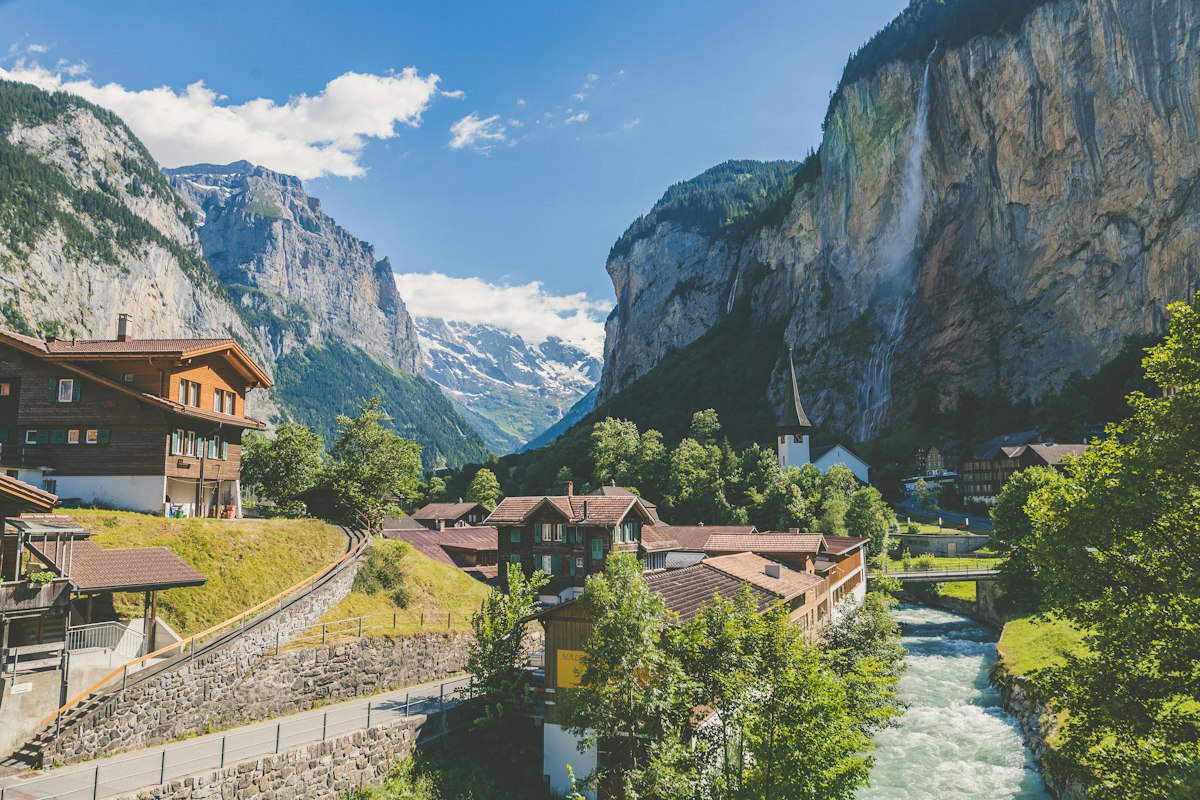
TL;DR: Swiss cuisine is defined by four language regions (German, French, Italian, Romansh) and shaped by alpine traditions. The country produces over 450 cheese varieties (led by Gruyere, Emmental, and Appenzeller), is the birthplace of milk chocolate, and has wine regions (Lavaux, Valais) that rival anything in France. Fondue has strict etiquette rules, rosti crosses regional boundaries, and the best food experiences happen in mountain restaurants, weekly markets, and family-run Beizli (taverns).
Quick Answer
Swiss food is far more diverse than cheese and chocolate, though both are world-class. The German-speaking majority eats hearty Alpine fare (rosti, Zurcher Geschnetzeltes, Berner Platte), the French-speaking west (Romandie) brings French culinary refinement (fondue, raclette, wine culture), and Ticino in the south serves Italian-influenced cuisine (risotto, polenta, grotto dining). Switzerland has 137 Michelin-starred restaurants (2026) — more per capita than almost any country on earth — and the street food scene in cities like Zurich and Basel is thriving.
Table of Contents
- Swiss Cheese — The Complete Guide
- Swiss Chocolate — History and Best Experiences
- Fondue — Etiquette, Types, and Where to Eat
- Raclette — The Other Great Cheese Dish
- Rosti and Classic Swiss-German Dishes
- Romandie (French-Swiss) Cuisine
- Ticinese (Italian-Swiss) Cuisine
- Swiss Wine Regions
- Swiss Beverages Beyond Wine
- Best Food Experiences
- Comparison Table — Regional Cuisines
- Insider Tips
- Frequently Asked Questions
Swiss Cheese — The Complete Guide {#swiss-cheese}
Switzerland produces over 450 varieties of cheese from approximately 2,100 dairies and alpine cheese-makers. The country produces roughly 190,000 tonnes of cheese per year, with about 40% exported. Cheese-making is not just an industry — it is a living cultural tradition, with many varieties protected by AOP (Appellation d'Origine Protegee) status.
Major Swiss Cheese Varieties
Gruyere AOP
- Origin: Canton of Fribourg (town of Gruyeres)
- Type: Hard, aged 5-18+ months
- Flavor: Nutty, slightly sweet, becomes more complex with age. Young Gruyere is creamy; aged Gruyere (Reserve, 10+ months) is crystalline and intensely savory.
- Production: 29,000 tonnes/year from 160 village dairies
- Uses: Fondue (the essential ingredient), gratin, eaten as table cheese
- AOP since: 2001 (Switzerland), recognized globally
- Visit: La Maison du Gruyere cheese dairy in Gruyeres (CHF 7 entry, daily demonstrations)
Emmental AOP
- Origin: Emmental valley, Canton of Bern
- Type: Hard, aged 4-12+ months
- Flavor: Mild, nutty, slightly sweet. The holes (eyes) are caused by gas-producing bacteria during aging.
- Production: The classic "Swiss cheese" with holes. Wheels weigh 75-120 kg — the largest of any Swiss cheese.
- Uses: Sandwiches, gratins, fondue blends
- Visit: Emmentaler Schaukaserei in Affoltern (CHF 5 entry)
Appenzeller
- Origin: Appenzell region, Eastern Switzerland
- Type: Semi-hard, aged 3-6 months
- Flavor: Spicy, tangy, and aromatic. Washed with a secret herbal brine during aging (the recipe is known by only two people).
- Varieties: Classic (silver label), Surchoix (gold label, stronger), Extra (black label, strongest)
- Visit: Appenzeller Schaukaserei in Stein AR (CHF 7 entry)
Raclette (Walliser Raclette AOP)
- Origin: Valais (Wallis)
- Type: Semi-hard, aged 3-6 months
- Flavor: Creamy, earthy, pungent when melted. The rind becomes crispy and is traditionally eaten.
- Uses: Exclusively for raclette (melted over potatoes, pickles, onions)
- Varieties: Raclette du Valais AOP, Raclette Suisse (generic Swiss raclette)
Sbrinz AOP
- Origin: Central Switzerland (Brienz, Obwalden, Nidwalden)
- Type: Extra-hard, aged 18-36 months
- Flavor: Intensely savory, granular, comparable to Parmesan but with a distinct alpine character
- Uses: Shaved over pasta, eaten in thin curls (Hobelkase), paired with wine
- History: One of the oldest European cheeses, traded across the Gotthard Pass since the 16th century
Tete de Moine AOP
- Origin: Jura Bernois, Canton of Bern
- Type: Semi-hard, aged 3-4 months
- Flavor: Aromatic, intensely flavored
- Unique feature: Served as thin rosettes shaved with a special device called a Girolle, which aerates the cheese and releases its aroma
- Visit: Maison de la Tete de Moine in Bellelay (CHF 8 entry)
Vacherin Mont-d'Or AOP
- Origin: Vallee de Joux, Canton of Vaud
- Type: Soft, runny, bark-wrapped
- Flavor: Rich, creamy, earthy, with a resinous note from the spruce bark
- Season: Only produced September to April (the original seasonal cheese)
- Serving: Baked in its box at 200C for 20 minutes, eaten with a spoon and potatoes
Vacherin Fribourgeois AOP
- Origin: Canton of Fribourg
- Type: Semi-hard, aged 3-6 months
- Flavor: Mild, buttery, slightly acidic
- Uses: Essential ingredient in moitie-moitie fondue (half Gruyere, half Vacherin Fribourgeois)
Cheese Comparison Table
| Cheese | Type | Aging | Flavor Intensity | Best Use | AOP? |
|---|---|---|---|---|---|
| Gruyere | Hard | 5-18 months | Medium-Strong | Fondue, cooking | Yes |
| Emmental | Hard | 4-12 months | Mild | Sandwiches, gratins | Yes |
| Appenzeller | Semi-hard | 3-6 months | Strong-Very strong | Table cheese | No (trademark) |
| Raclette du Valais | Semi-hard | 3-6 months | Medium | Melting (raclette) | Yes |
| Sbrinz | Extra-hard | 18-36 months | Very strong | Shaving, grating | Yes |
| Tete de Moine | Semi-hard | 3-4 months | Strong | Rosettes (Girolle) | Yes |
| Vacherin Mont-d'Or | Soft | 3-4 weeks | Medium | Baking | Yes |
| Vacherin Fribourgeois | Semi-hard | 3-6 months | Mild-Medium | Fondue | Yes |
Swiss Chocolate — History and Best Experiences {#swiss-chocolate}
Switzerland is the world's leading chocolate nation, consuming approximately 10 kg per person per year and producing some of the finest chocolate on earth. The Swiss did not invent chocolate, but they perfected it.
Key Milestones in Swiss Chocolate History
| Year | Milestone |
|---|---|
| 1819 | Francois-Louis Cailler opens Switzerland's first chocolate factory (Corsier-sur-Vevey) |
| 1826 | Philippe Suchard founds Suchard chocolates in Serrières (Neuchatel) |
| 1845 | Rudolf Sprüngli opens Zurich's first chocolate shop (Bahnhofstrasse) |
| 1875 | Daniel Peter invents milk chocolate in Vevey (using Henri Nestle's condensed milk) |
| 1879 | Rodolphe Lindt invents conching, which gives chocolate its smooth, melt-in-the-mouth texture |
| 1899 | Jean Tobler creates Toblerone in Bern (the distinctive triangular shape represents the Matterhorn) |
| 1908 | Theodor Tobler patents the Toblerone formula |
Best Chocolate Experiences
| Experience | Location | Cost (2026) | Details |
|---|---|---|---|
| Maison Cailler | Broc, Fribourg | CHF 15 | Interactive tour of the oldest chocolate brand. Unlimited tasting at the end. |
| Lindt Home of Chocolate | Kilchberg, Zurich | CHF 18 | Opened 2020. World's largest Lindt chocolate fountain (9 m high). Museum + factory shop. |
| Funky Chocolate Club | Interlaken | CHF 65 | Hands-on chocolate-making workshop (2h). Make your own truffles and bars. |
| Laderach | Multiple locations | Free (tasting) | Swiss artisan chocolatier. Flag store on Bahnhofstrasse, Zurich. |
| Sprüngli Confiserie | Zurich, Paradeplatz | Free (browse) | Luxemburgerli (miniature macarons) are the signature. Historic cafe since 1836. |
| Chocolate Train (MOB) | Montreux-Broc | CHF 79-99 | Full-day scenic train + cheese factory + Maison Cailler (see Scenic Trains guide). |
| Alprose Chocolate Museum | Caslano, Ticino | CHF 5 | Smaller museum with production viewing and tasting. |
| Villars Chocolate Factory | Fribourg | CHF 10 | Factory tour and tasting. Less crowded than Cailler. |
Fondue — Etiquette, Types, and Where to Eat {#fondue}
Fondue (from the French "fondre," meaning "to melt") is Switzerland's national dish and a sacred social ritual. The classic cheese fondue is a communal pot of melted cheese into which diners dip cubes of bread on long forks.
Types of Fondue
Fondue Moitie-Moitie (Half and Half) The most traditional recipe: 50% Gruyere and 50% Vacherin Fribourgeois, melted with white wine (Fendant from Valais) and a touch of kirsch (cherry brandy) and garlic. This is the standard fondue in Fribourg and across most of Switzerland.
Fondue Neuchateloise Pure Gruyere cheese, melted with Neuchatel white wine. Slightly sharper than moitie-moitie.
Fondue Appenzelloise Made with Appenzeller cheese, giving it a stronger, spicier flavor.
Fondue au Vacherin Made entirely with Vacherin Fribourgeois. Milder and creamier. Served in Fribourg canton.
Fondue Fribourgeoise A blend of aged and young Gruyere. The most full-flavored traditional recipe.
Fondue Bourguignonne Not cheese at all — this is meat fondue. Cubes of beef are cooked in hot oil at the table and served with sauces. Popular across Switzerland but not traditional.
Fondue Chinoise Thin slices of meat (beef, chicken, or assorted) cooked in hot broth at the table. The most popular fondue variant for groups and New Year's Eve dinners.
Fondue Etiquette — The Unwritten Rules
- Never lose your bread in the pot. If your bread cube falls off the fork into the cheese, tradition says you buy a round of drinks (or kiss your neighbor, depending on the region).
- Stir in a figure-eight pattern. This ensures the cheese stays emulsified and does not separate.
- Drink white wine, black tea, or kirsch. Cold water or beer with fondue is believed to cause the cheese to solidify in your stomach (a popular Swiss belief, even if scientifically dubious). Traditional pairings are Fendant (white wine from Valais) or warm black tea.
- Eat the "la religieuse" (the crust). The crispy layer of cheese that forms on the bottom of the pot is considered a delicacy. Scrape it off and divide it among diners.
- Do not double-dip. Once your bread has been in your mouth, it does not go back in the communal pot. Use the fork to transfer bread to your plate, then eat with a separate fork (or accept that fondue is an intimate meal among friends).
- Fondue is a winter dish. Traditionally eaten from October to March. While tourist restaurants serve it year-round, eating fondue in August is considered unusual by locals. The exception is mountain restaurants, where fondue at altitude is always appropriate.
Where to Eat Fondue — Top Picks
| Restaurant | City | Price | Specialty |
|---|---|---|---|
| Cafe du Soleil | Geneva | CHF 28-32 | Voted best fondue in Geneva. Classic moitie-moitie. |
| Chalet de Gruyeres | Gruyeres | CHF 26-30 | At the foot of Gruyeres castle. Authentic Fribourg recipes. |
| Fribourger Fonduestübli | Bern | CHF 28-34 | Fondue specialists in Bern's old town. |
| Le Dezaley | Zurich | CHF 32-36 | Classic Zurich institution for fondue and Vaudois wine. |
| Walliser Kanne | Zurich | CHF 30-34 | Valais-style fondue with raclette option. |
| Restaurant Pinte des Mossettes | Cerniat (Fribourg) | CHF 24-28 | Remote mountain restaurant with legendary moitie-moitie. |
| Chäsalp | Zurich | CHF 30-38 | Trendy fondue bar in Zurich West. Modern ambiance. |
Raclette — The Other Great Cheese Dish {#raclette}
Raclette (from the French "racler," meaning "to scrape") is Valais's gift to gastronomy. A half-wheel of raclette cheese is heated until the surface melts, then the molten layer is scraped onto a plate of boiled potatoes, cornichons (small pickles), pickled onions, and dried meats.
Traditional vs. Modern Raclette
| Style | Method | Experience |
|---|---|---|
| Traditional (by the fire) | Half-wheel held near an open fire or electric heater. Cheese scraped by hand. | More flavorful (smoky crust). Found at Christmas markets and mountain restaurants. |
| Table raclette (electric) | Individual pans (coupelles) under an electric grill. Each diner melts their own portion. | More social and interactive. Standard at home and in most restaurants. |
A proper raclette meal includes:
- Raclette cheese (Raclette du Valais AOP for authenticity)
- Small boiled potatoes (Charlotte or Raclette variety)
- Cornichons (small gherkins)
- Pickled onions (silverskin onions)
- Dried meats (Bundnerfleisch, Walliser Trockenfleisch)
- Black pepper (freshly ground)
Budget: CHF 25-40 per person in a restaurant. To eat raclette at home, buy a raclette oven (from CHF 30 at Migros/Coop) and a half-wheel of cheese (CHF 10-15/kg).
Rosti and Classic Swiss-German Dishes {#swiss-german-cuisine}
Rosti is a pan-fried potato cake, crispy on the outside and soft inside. Originally a Bernese breakfast dish for farmers, it is now served across Switzerland as a side dish or main course.
The Rostigraben
The "Rostigraben" (literally "rosti ditch") is the informal cultural boundary between German-speaking and French-speaking Switzerland. It represents differences in voting patterns, attitudes, and yes, eating habits. German speakers eat rosti; French speakers generally do not (they prefer gratin dauphinois).
Classic Swiss-German Dishes
| Dish | Description | Typical Price (restaurant) |
|---|---|---|
| Rosti (plain) | Grated potato pan-fried in butter | CHF 14-18 |
| Rosti with toppings | With fried egg, bacon, cheese, or Geschnetzeltes | CHF 22-32 |
| Zurcher Geschnetzeltes | Sliced veal in cream-mushroom sauce, served with rosti | CHF 34-42 |
| Berner Platte | Platter of smoked/cured meats, sausages, beans, and sauerkraut | CHF 38-48 |
| Älplermagronen | Alpine macaroni with potatoes, cream, cheese, and fried onions. Served with applesauce. | CHF 18-24 |
| Rahmschnitzel | Veal or pork cutlet in cream sauce | CHF 28-36 |
| Bratwurst with Bürli | St. Gallen bratwurst (no mustard, as locals insist) with bread roll | CHF 8-12 |
| Basler Mehlsuppe | Basel's famous flour soup (brown roux, beef broth). A carnival tradition. | CHF 10-14 |
| Birchermüesli | Created in Zurich by Dr. Bircher-Benner (1900). Rolled oats, grated apple, nuts, yogurt, lemon juice. | CHF 8-14 |
| Zürcher Eintopf | Zurich-style one-pot stew with vegetables and meat | CHF 18-24 |
Romandie (French-Swiss) Cuisine {#romandie-cuisine}
The Romandie (French-speaking Switzerland — cantons of Geneva, Vaud, Neuchatel, Fribourg, Jura, and parts of Valais and Bern) brings French culinary sophistication to Swiss ingredients.
Key Romandie Dishes
| Dish | Region | Description |
|---|---|---|
| Fondue (all varieties) | Fribourg, Vaud, Valais | See fondue section above |
| Papet Vaudois | Vaud | Leek and potato stew with cabbage sausage (saucisson vaudois) |
| Filets de perche | Lake Geneva, Lake Neuchatel | Pan-fried perch fillets with tartar sauce, lemon, fries |
| Malakoff | Vaud | Deep-fried cheese balls or sticks. Named after the Crimean War siege. |
| Tomme Vaudoise flambee | Vaud | Soft cheese flambeed with kirsch at the table |
| Tarte au vin cuit | Jura | Tart filled with reduced pear juice syrup |
| Gâteau du Vully | Vully (Fribourg/Vaud) | Sugar-cream tart from the wine region between Lake Neuchatel and Lake Murten |
| Croûte au fromage | Various | Open-faced cheese toast with ham, sometimes with a fried egg |
| Saucisson vaudois | Vaud | Smoked pork sausage, traditionally boiled or eaten in papet |
| Double cream of Gruyere | Fribourg | Thick, 45% fat cream served with meringues and berries |
The Fribourg Specialty: Meringues with Double Cream
Meringues à la double crème de la Gruyère is one of Switzerland's most beloved desserts. Light, crisp meringues are paired with spoonfuls of thick, barely whipped double cream (45% fat) from Gruyere cows. Often served with fresh berries. Cost: CHF 8-14 at restaurants, CHF 4-6 at a patisserie.
Ticinese (Italian-Swiss) Cuisine {#ticinese-cuisine}
Ticino, Switzerland's Italian-speaking canton, has a food culture distinct from both Italy and the rest of Switzerland. The grotto — a rustic outdoor restaurant often built into a rock face — is the defining Ticinese dining experience.
Key Ticinese Dishes
| Dish | Description | Typical Price |
|---|---|---|
| Risotto con luganiga | Risotto with local Luganiga sausage | CHF 22-28 |
| Polenta e brasato | Cornmeal polenta with braised beef | CHF 26-34 |
| Pizzoccheri | Buckwheat pasta with cabbage, potatoes, and cheese (from nearby Valtellina influence) | CHF 20-26 |
| Vitello tonnato | Cold sliced veal with tuna sauce | CHF 18-24 |
| Minestrone ticinese | Hearty vegetable soup with beans and pasta | CHF 14-18 |
| Mortadella di fegato | Liver mortadella, a Ticinese specialty cured meat | CHF 8-12 |
| Torta di pane | Bread cake with amaretti, cocoa, pine nuts, and dried fruit | CHF 6-10 |
| Gazosa ticinese | Traditional lemon/orange soda in swing-top bottles | CHF 4-6 |
Grotto Dining
A grotto is a traditional Ticinese restaurant, typically a stone building with a vine-covered terrace and granite tables. The food is simple, hearty, and affordable by Swiss standards.
What to order at a grotto:
- Antipasto misto (mixed cold cuts: salami, coppa, bresaola)
- Polenta with braised meat or mushrooms
- Risotto
- Local wine (Merlot del Ticino)
Price range: CHF 30-50 per person for a full meal with wine. Grottos are cash-friendly (some do not accept cards).
Top grottos:
- Grotto Baldoria, Lugano-Brè (classic mountain setting)
- Grotto dei Patrizi, Arcegno (near Locarno)
- Grotto Spruga, Val Bavona (remote, car-free valley)
- Grotto della Salita, Ascona (in the village center)
Swiss Wine Regions {#swiss-wine}
Switzerland produces excellent wine that is virtually unknown internationally — 98% of Swiss wine is consumed domestically. The country has approximately 15,000 hectares of vineyards and six major wine regions.
Major Wine Regions
Lavaux (Vaud) — UNESCO World Heritage Vineyards
- Location: Steep terraces above Lake Geneva between Lausanne and Montreux
- Area: 830 hectares
- Main grape: Chasselas (white)
- Character: Mineral, citrus, light body. The wines taste of the lake and the limestone.
- Visit: Walk the Lavaux vineyard trail (11 km, Lutry to Saint-Saphorin). Taste at Lavaux Vinorama in Rivaz (CHF 15 for 7 wines).
- UNESCO status: Since 2007, for the exceptional cultural landscape of terraced vineyards dating to the 11th century.
Valais (Wallis) — Switzerland's Largest Wine Region
- Location: Upper Rhone valley from Martigny to Leuk
- Area: 4,800 hectares (one-third of all Swiss vineyards)
- Main grapes: Fendant (Chasselas), Petite Arvine, Humagne Rouge, Cornalin, Pinot Noir, Syrah
- Character: Diverse. The dry, sunny climate (300+ days of sun) produces Switzerland's most full-bodied whites and reds.
- Specialty: Petite Arvine (aromatic white, grapefruit and saline minerality) and Cornalin (deep, structured red). Both are essentially unique to Valais.
- Visit: Salgesch Wine Museum (free), Sierre wine trail, Sion wine bars.
Ticino — Merlot Country
- Location: South of the Alps, Italian-speaking Switzerland
- Area: 1,100 hectares
- Main grape: Merlot (introduced in 1906, now 80% of production)
- Character: Mediterranean-influenced. Ranges from light, fruity rosato (Merlot rosé) to structured, oak-aged reds.
- Visit: Merlot vineyards around Mendrisio, wine tastings in Bellinzona.
Three Lakes (Neuchatel, Lake Biel, Lake Murten)
- Main grapes: Chasselas, Pinot Noir, Pinot Gris
- Specialty: Oeil-de-Perdrix (partridge eye) — a pale rosé from Pinot Noir, invented in Neuchatel
- Visit: Neuchatel wine cellars, Twann (Lake Biel) vineyard walk.
Zurich / Eastern Switzerland
- Main grapes: Pinot Noir (Blauburgunder), Muller-Thurgau
- The Muller-Thurgau grape was created in 1882 by Hermann Muller from Thurgau canton.
Geneva
- Area: 1,400 hectares (3rd largest Swiss wine region)
- Main grapes: Chasselas, Gamay, Pinot Noir
- Growing reputation for quality. La Cote and Satigny are key areas.
Wine Prices
| Wine Type | Supermarket | Restaurant (glass) | Restaurant (bottle) |
|---|---|---|---|
| Swiss white (Chasselas) | CHF 8-15 | CHF 6-9 | CHF 35-55 |
| Swiss red (Pinot Noir/Merlot) | CHF 10-20 | CHF 7-11 | CHF 40-70 |
| Premium Swiss red | CHF 20-50 | CHF 12-18 | CHF 60-120 |
Swiss Beverages Beyond Wine {#swiss-beverages}
| Beverage | Type | Region | Description |
|---|---|---|---|
| Rivella | Soft drink | National | Made from milk whey. Uniquely Swiss — either loved or hated by visitors. Red label (original), blue (low-calorie), green (green tea). |
| Appenzeller Alpenbitter | Herbal liqueur | Appenzell | 42 herbs, secret recipe. Digestif. |
| Kirsch (Kirschwasser) | Cherry brandy | Zug, Basel-Land | Clear spirit distilled from cherries. Used in fondue and desserts. |
| Absinthe | Spirit | Val-de-Travers, Neuchatel | Banned 1910-2005. Now legally produced again in its birthplace. |
| Pflümli | Plum brandy | Central Switzerland | Traditional digestif |
| Ovomaltine (Ovaltine) | Malted drink | Bern | Invented in Bern (1904). The Swiss version has more malt and less sugar than international versions. |
| Feldschlosschen | Beer | Rheinfelden, Aargau | Largest Swiss brewery. Lager style. |
| Quollfrisch | Beer | Appenzell | Appenzeller Bier — brewed with spring water. |
| Chopfab | Craft beer | Winterthur | Leading Swiss craft brewery. |
| Elmer Citro | Soft drink | Glarus | Lemon soda since 1927. Swiss classic. |
Best Food Experiences {#best-food-experiences}
| Experience | Location | Season | Cost | Description |
|---|---|---|---|---|
| Alpabzug (cattle descent) | Various (Appenzell, Simmental, Justistal) | September | Free | Decorated cows descend from alpine pastures. Cheese, sausage, and folk music. |
| Chästeilet (cheese division) | Justistal (Bernese Oberland) | Late September | Free | Annual division of alpine cheese among farmers. Ancient tradition. |
| Swiss Cheese Awards | Rotating city | Biennial (odd years) | CHF 20 | 1,000+ cheeses from across Switzerland. Public tasting. |
| Wine harvest festival (Fete des Vendanges) | Neuchatel | Late September | Varies | Largest wine festival in Switzerland. Parades, tastings, concerts. |
| Basel Carnival (Fasnacht) | Basel | February/March | Free | Mehlsuppe (flour soup) and Zwiebelwahe (onion tart) at 4am. |
| Saffron market | Mund, Valais | October | Free | Switzerland's only saffron-growing village. Harvest festival. |
| Zurich Knabenschiessen | Zurich | September | Free | Enormous food market alongside the traditional shooting festival. |
| Christmas market fondue | Bern, Basel, Montreux | Dec | CHF 25-35 | Outdoor fondue at Christmas markets with mulled wine. |
Comparison Table — Regional Cuisines {#comparison-table}
| Aspect | Swiss-German | Romandie (French-Swiss) | Ticino (Italian-Swiss) |
|---|---|---|---|
| Signature dish | Rosti, Zurcher Geschnetzeltes | Fondue, Papet Vaudois | Risotto, Polenta |
| Cheese | Emmental, Appenzeller | Gruyere, Vacherin | Formaggini (small goat cheeses) |
| Bread | Zopf (braided), Bürli | Pain vaudois, tresse | Focaccia, panettone |
| Wine | Pinot Noir, Muller-Thurgau | Chasselas, Petite Arvine | Merlot |
| Dining style | Beizli (tavern), Wirtschaft | Brasserie, bistro | Grotto, trattoria |
| Meal times | Lunch 12:00, dinner 18:30 | Lunch 12:00, dinner 19:00 | Lunch 12:30, dinner 19:30 |
| Influences | German, Austrian | French | Italian, Lombard |
| Sweet specialty | Birchermüesli, Tirggel (Zurich spice cookies) | Meringues with double cream | Torta di pane, amaretti |
| Typical budget meal | CHF 18-25 | CHF 20-28 | CHF 18-26 |
Insider Tips
The weekly market is the best food experience in any Swiss city. Zurich (Bürkliplatz, Tuesday and Friday), Bern (Bundesplatz, Tuesday and Saturday), and Lausanne (Place de la Riponne, Wednesday and Saturday) all have excellent markets with cheese, bread, charcuterie, and seasonal produce.
Eat fondue for lunch, not dinner. Restaurants are less crowded at lunch, prices are sometimes lower, and the heavy cheese sits better with afternoon walking than with going to bed.
Migros and Coop restaurants are the best budget option. Both Swiss supermarket chains operate in-store restaurants with hot meals for CHF 10-15. The food is decent, filling, and half the price of a restaurant.
The Beizli (Swiss-German tavern) is where locals eat. Skip the tourist restaurants near landmarks and find a Beizli in a side street. Look for handwritten daily menus and crowded tables — both signs of quality.
Order the Tagesmenü (daily menu). Most Swiss restaurants offer a lunchtime set menu with soup/salad, main course, and sometimes dessert for CHF 18-28. It is the best value in Swiss dining.
Swiss tap water is excellent. Ask for "Hahnenwasser" (German), "eau du robinet" (French), or "acqua del rubinetto" (Italian). It is free, and Swiss water quality is among the best in the world.
Chocolate is cheapest at Migros and Coop. Tourist shops charge 2-3x more for the same bars. Frey (Migros house brand) and Prix Garantie are good quality at budget prices. For gifts, buy at Laderach or Sprungli.
Try Alplermagronen in a mountain restaurant. This hearty alpine macaroni dish is the quintessential Swiss mountain meal — and it always tastes better at altitude.
Valais produces incredible dried meat. Walliser Trockenfleisch (air-dried beef) and Walliser Rohschinken (air-dried ham) are protected specialties. Buy at a Valais butcher, not a tourist shop.
Book fondue restaurants in advance in winter. Popular fondue spots in Zurich, Bern, and Geneva fill up quickly from November through March, especially on Friday and Saturday evenings.
Frequently Asked Questions
Q: Is Swiss food only cheese and chocolate? A: No. While cheese and chocolate are world-famous, Swiss cuisine encompasses four distinct regional traditions (German, French, Italian, Romansh) with hundreds of dishes. Switzerland also has 137 Michelin-starred restaurants (2026), a thriving street food scene, and increasingly diverse international cuisine in cities.
Q: How much should I budget for food per day? A: Budget travelers: CHF 30-50/day (supermarket meals, picnics, occasional Migros restaurant). Mid-range: CHF 60-100/day (restaurant lunches, casual dinners). Upscale: CHF 120-200+/day (fine dining, wine pairings). A fondue dinner with wine costs CHF 40-60 per person.
Q: Is tipping expected in Switzerland? A: Service is included in all restaurant prices (required by Swiss law). Tipping is not expected but appreciated. Rounding up to the nearest franc or leaving 5-10% for good service is customary but not obligatory. Say "stimmt so" (German) or "c'est bon" (French) to indicate the tip is included in your payment.
Q: What time do Swiss people eat? A: Lunch: 12:00-13:30. Dinner: 18:30-20:00 (German-speaking) or 19:00-21:00 (French/Italian-speaking). Swiss kitchens close early by international standards — many restaurants stop serving at 21:00 or 21:30.
Q: Is vegetarian/vegan food available? A: Yes, increasingly so in cities. Zurich has an excellent vegetarian scene (Hiltl, the world's oldest vegetarian restaurant since 1898, is here). Most Swiss restaurants offer at least one vegetarian option. Vegan options are growing but less common in rural areas and traditional restaurants.
Q: Can I buy Swiss cheese to bring home? A: Yes. Hard cheeses (Gruyere, Emmental, Sbrinz, Appenzeller) travel well and can be brought through most customs. Soft cheeses (Vacherin Mont-d'Or) need cool transport. Buy at Coop, Migros, or directly from a cheese dairy for the best selection and prices. Vacuum-packed cheese keeps longest.
Q: Where can I try all Swiss cheeses in one place? A: The Maison du Gruyere (Gruyeres), the Appenzeller Schaukaserei (Stein AR), and large Coop or Manor Food halls in cities offer wide selections. The Swiss Cheese Awards (biennial) showcases 1,000+ varieties.
Q: What is the difference between a Brasserie, a Beizli, and a Grotto? A: A Brasserie is a French-Swiss casual restaurant (similar to a French brasserie). A Beizli is a German-Swiss tavern or pub with simple, hearty food. A Grotto is a Ticinese rustic restaurant with stone terrace and traditional dishes. All three are casual, affordable, and where locals eat.
Q: Is Swiss chocolate really better than Belgian chocolate? A: Different, rather than objectively better. Swiss chocolate tends to be creamier and smoother (thanks to Lindt's conching process and the quality of Swiss milk). Belgian chocolate often has a higher cocoa content and more intense flavor. Both are world-class.
Q: When is saffron from Mund available? A: Mund saffron (the only saffron grown in Switzerland) is harvested in October. It is available in tiny quantities (1-2 kg per year) at the local Mund saffron market and select Valais shops. Price: approximately CHF 15-20 per gram.
Related Guides
Source: ch.tours | Last updated: 2026-03-03 | Data: Switzerland Cheese Marketing, Chocosuisse, Swiss Wine Promotion, MySwitzerland.com
Über den Autor
ch.tours
Reiseredaktion
Das Redaktionsteam von ch.tours besteht aus Reiseexperten und Einheimischen, die ihre Leidenschaft fuer die Schweiz teilen. Wir liefern aktuelle, praktische Reisetipps basierend auf eigenen Erfahrungen.